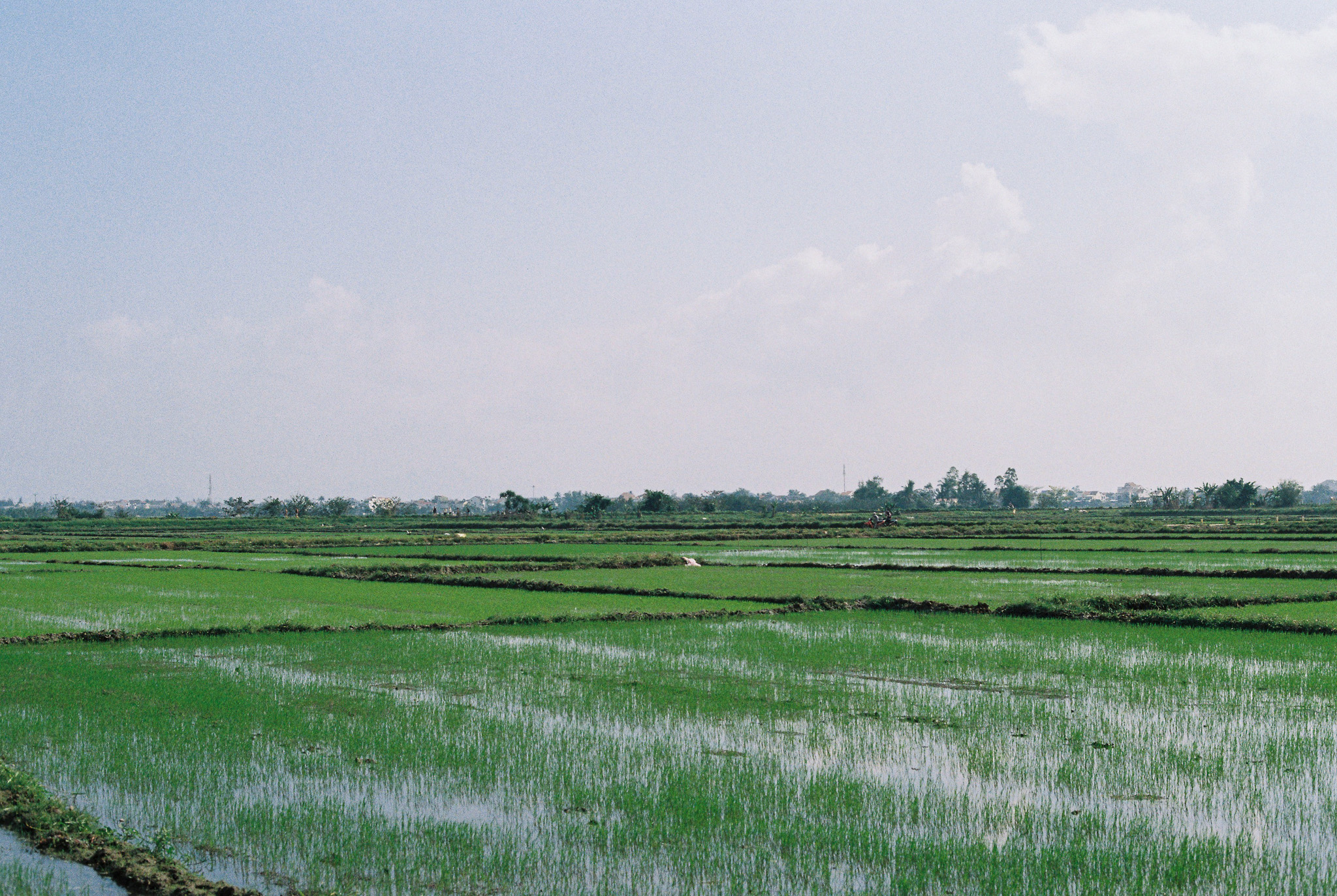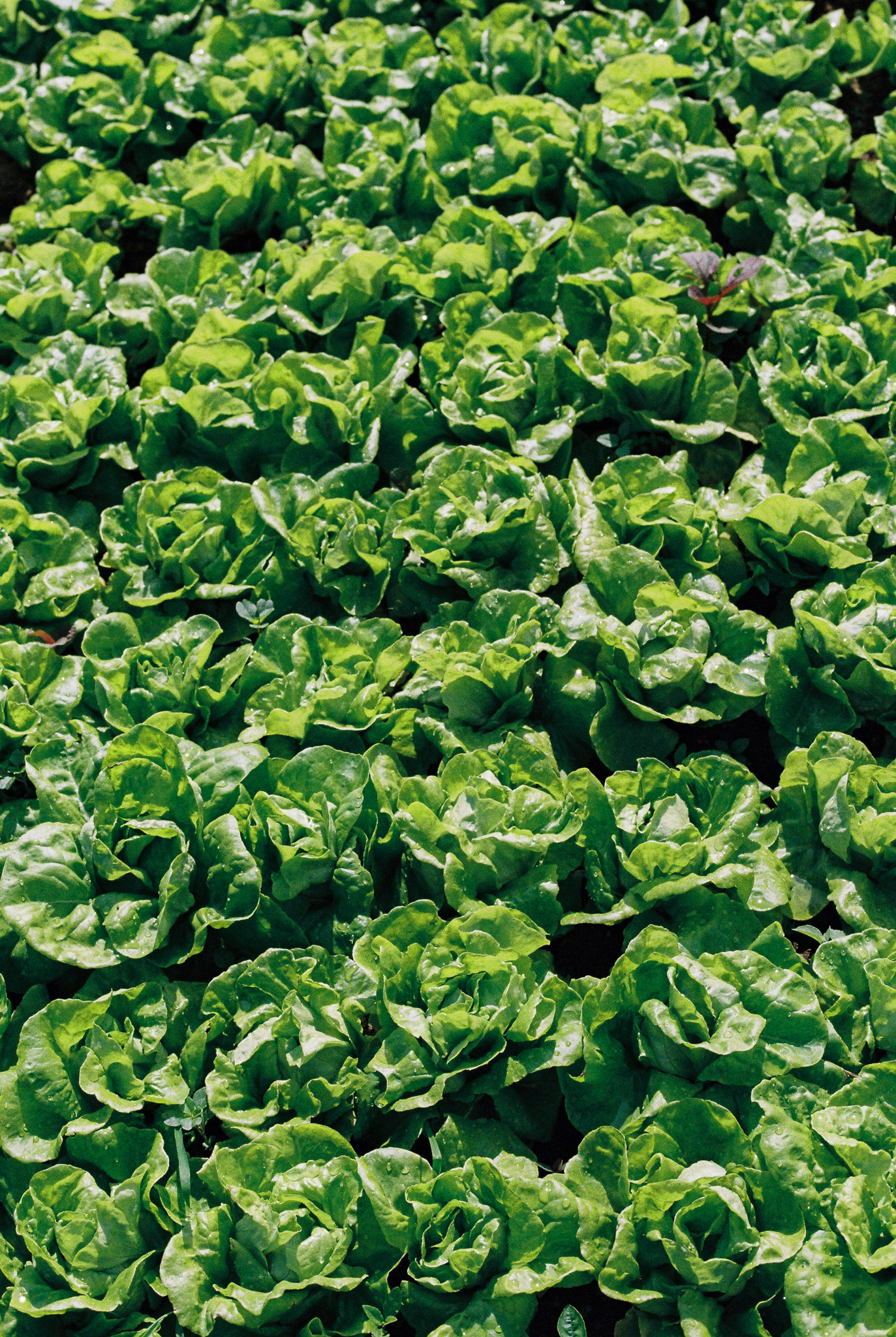
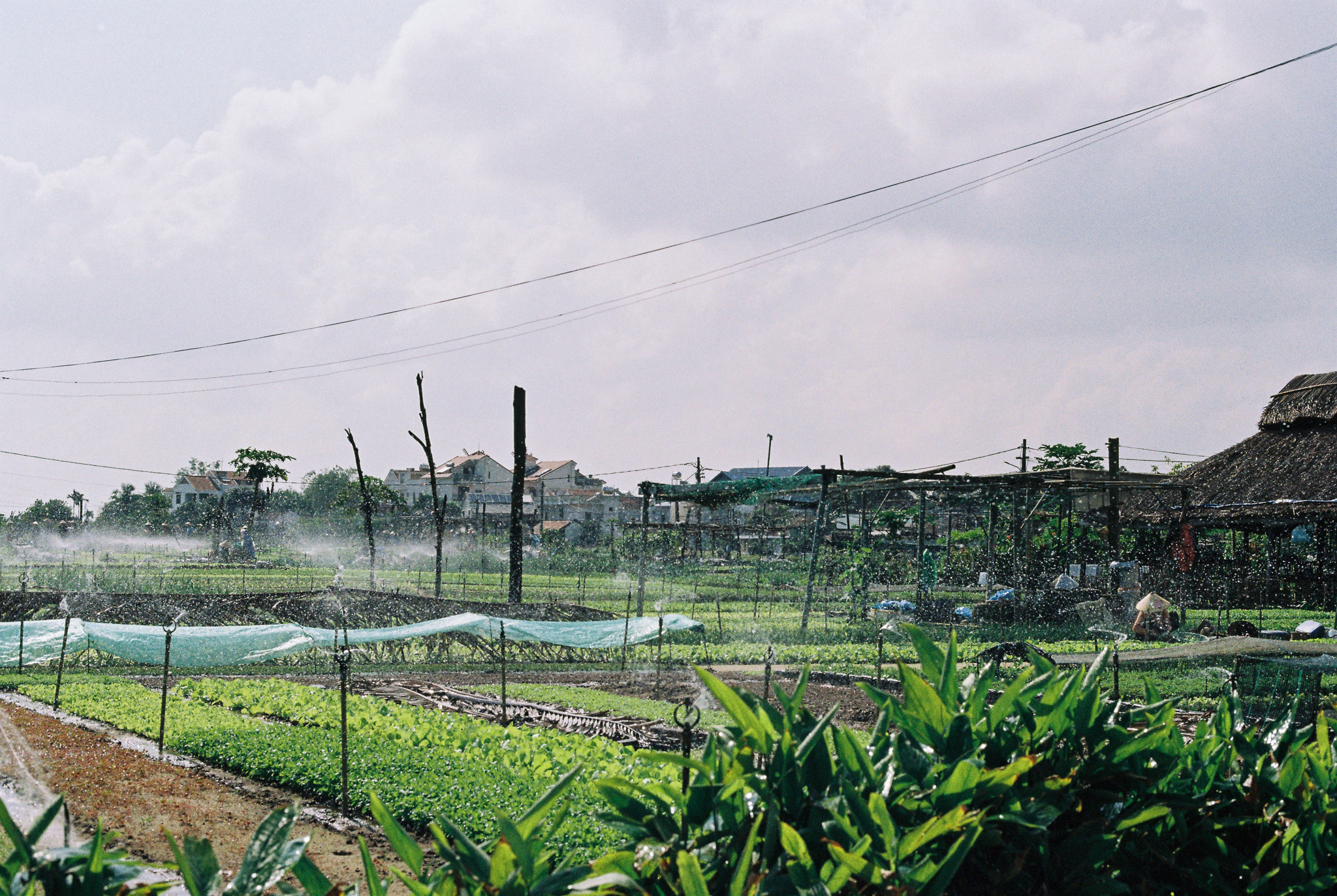
The Mekong Delta is Vietnam’s agricultural heartland: a vast, low-lying landscape of rivers, canals, rice fields, orchards and aquaculture ponds. It is also one of the regions in Southeast Asia most exposed to climate change, and one of the clearest ways that exposure shows up on farms is salt.
What saltwater intrusion is
During the dry season, less fresh water flows down the Mekong’s branches. As river flow falls, seawater pushes further inland through estuaries and the canal network that farmers depend on for irrigation. When salinity in that water rises above what a crop can tolerate, irrigating can do more harm than good.
Severe dry seasons in 2015–2016 and 2019–2020 pushed salinity much further inland than usual, damaging rice and fruit crops and leaving some communities short of fresh water. Several provinces declared emergencies during the 2019–2020 season.
Why the risk is growing
Several pressures are acting on the delta at once:
- Changing upstream flows. Drought and the operation of upstream infrastructure affect how much fresh water reaches the delta and when1.
- Sea-level rise. Much of the delta sits only a few metres or less above sea level, so even modest rises make intrusion easier2.
- Land subsidence and riverbed change. Groundwater extraction and sand mining have been linked to sinking land and deepening river channels, both of which can let salt water travel further.
In 2017, Vietnam’s government adopted a resolution on climate-resilient development of the Mekong Delta that moved policy toward working with these natural conditions rather than against them. That includes accepting brackish water in some coastal areas and supporting farming systems suited to it3.
When timing becomes the decision
For many farmers, the most effective response to salinity is not a new input but a better-timed decision:
Adjusting the planting calendar
Sowing the winter–spring rice crop earlier can let it mature before salinity peaks late in the dry season. Sowing too early, however, can clash with the end of the flood season or with local water schedules, so the best window changes from year to year.
Choosing what to grow
Salt-tolerant rice varieties, rotations such as rice–shrimp systems in brackish areas, and shifts toward crops better suited to local water conditions are all part of the adaptation picture. Each choice has a different risk and return profile.
Knowing when to irrigate
Storing fresh water when it is available, and irrigating only when canal salinity is within safe limits, depends on timely local information that farmers do not always have.
What better information could change
Salinity is intensely local. Conditions can differ sharply between neighbouring canals, and a regional warning is only useful if it can be translated into a decision for a specific field and a specific week. Combining river-flow outlooks, seasonal weather forecasts, local salinity measurements, soil information and crop calendars could give farmers and cooperatives earlier notice of when risk is rising and what their options are.
This is the kind of location-specific challenge that shapes Culvera’s focus on the Mekong Delta. Read more about why Culvera is starting in Vietnam, or explore how satellite, weather and soil data can support farm decisions.