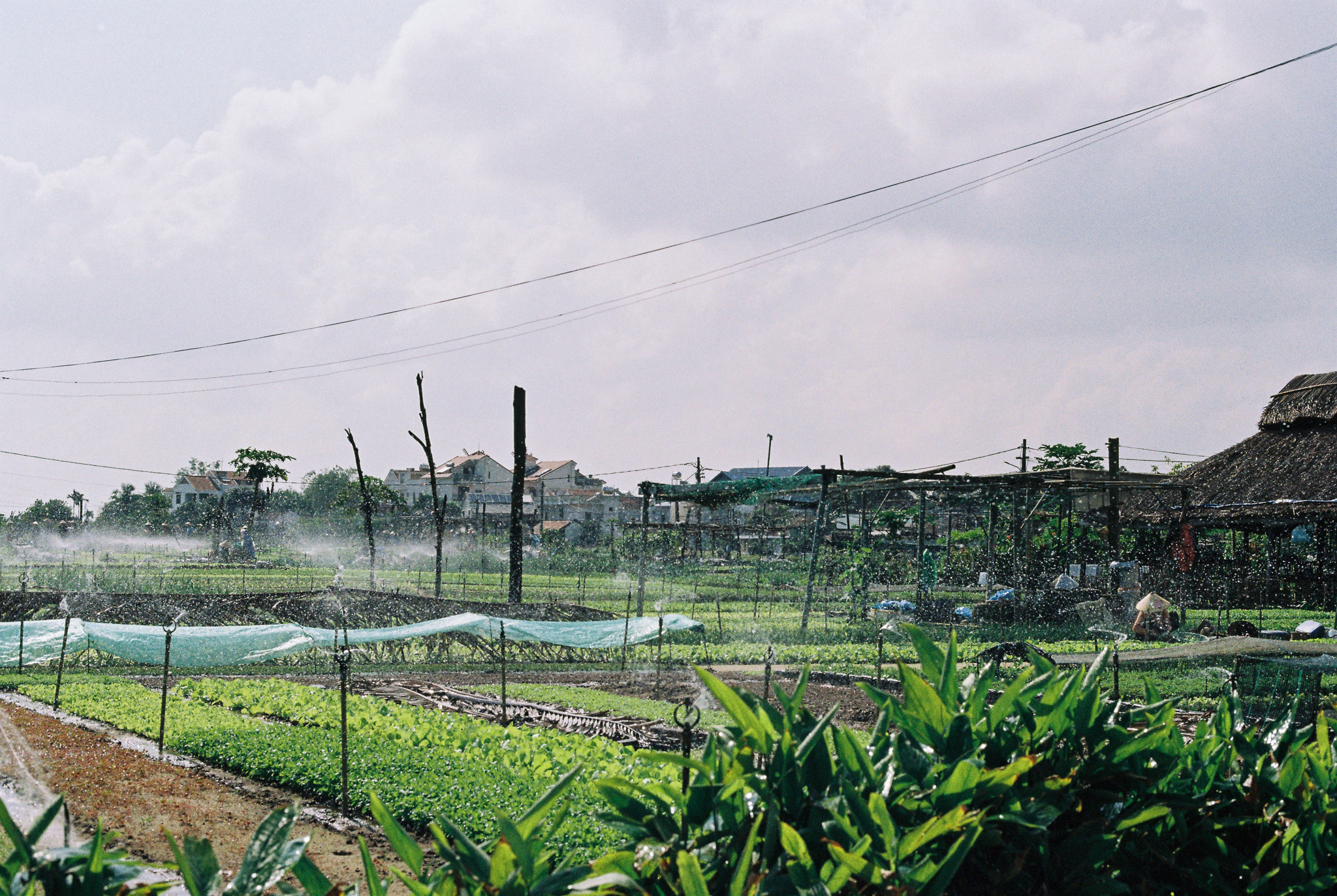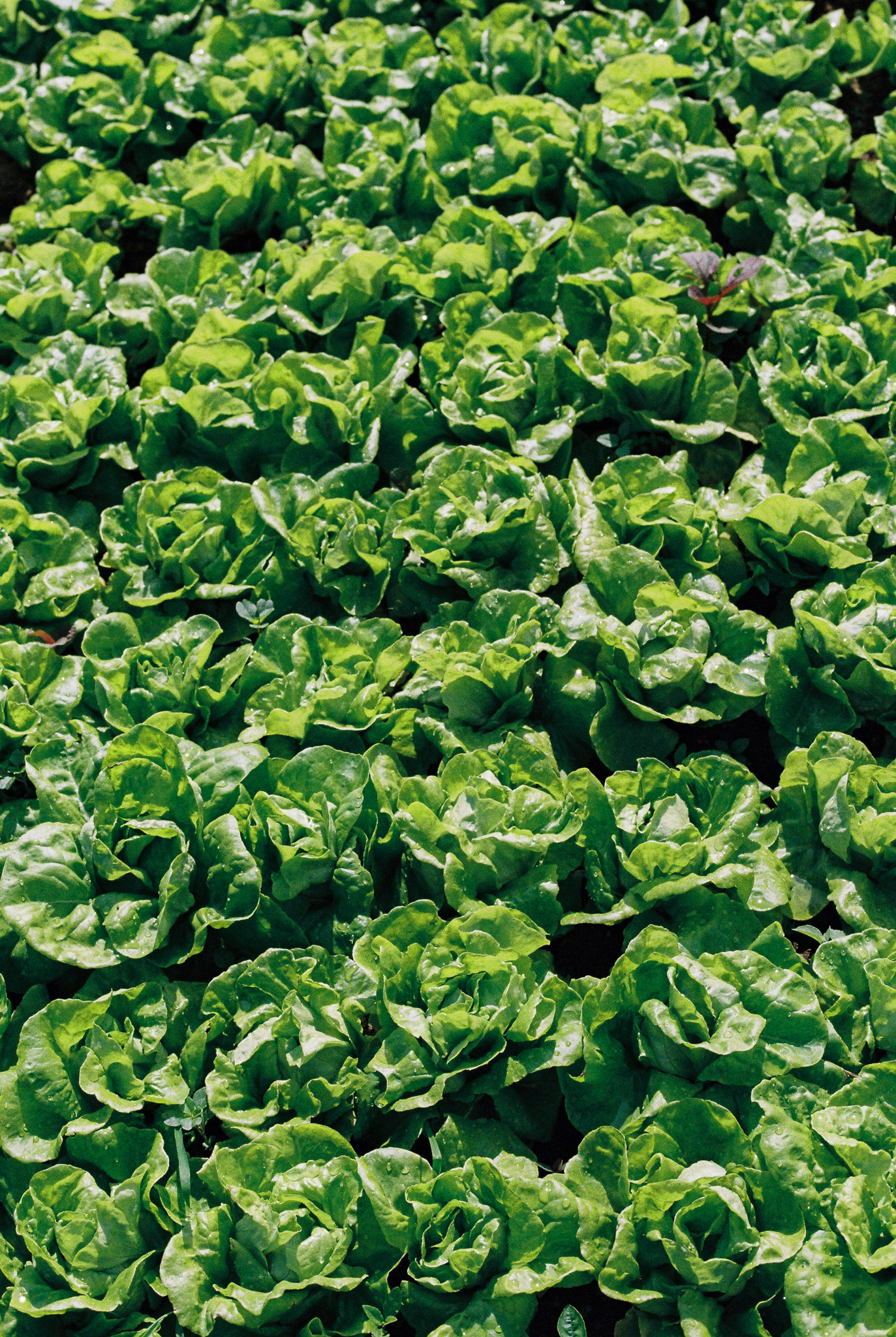
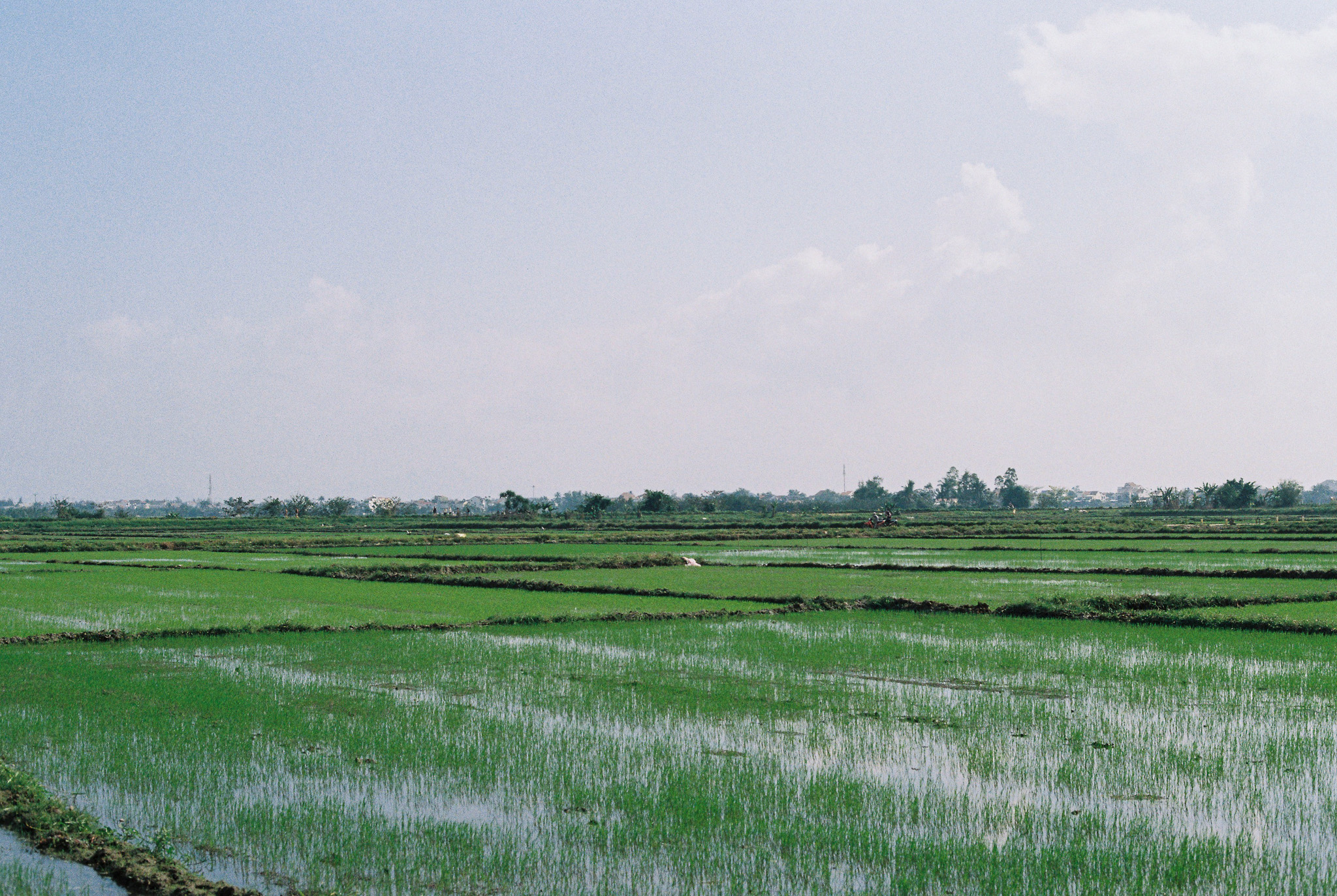
Rice feeds more people than almost any other crop, and it is central to Vietnam’s economy, food security and export identity. It also has a climate footprint that looks different from most other crops: a large share of its emissions comes not from machinery or fertiliser but from the water standing in the field.
Why flooded paddies produce methane
When a paddy is kept continuously flooded, the soil beneath the water is cut off from oxygen. In those conditions, microbes that break down organic matter such as rice straw, roots and manure produce methane instead of carbon dioxide. Much of that methane escapes to the atmosphere through the rice plants themselves.
Methane matters because it is a powerful but relatively short-lived greenhouse gas. Over a 20-year period it traps around 80 times more heat than the same mass of carbon dioxide1. That short lifetime is also why cutting methane is seen as one of the fastest ways to slow near-term warming, and why more than 150 countries, including Vietnam, have joined the Global Methane Pledge to reduce methane emissions by at least 30% from 2020 levels by 20302.
Vietnam’s rice sector and the low-emission transition
Vietnam is consistently one of the world’s largest rice exporters, and the Mekong Delta grows the majority of the country’s rice. That concentration makes the delta both exposed to climate risk and an obvious place to act on emissions.
In late 2023, Vietnam approved a national programme to develop one million hectares of high-quality, low-emission rice in the Mekong Delta by 2030. The programme links lower emissions with better farmer incomes, more efficient input use and stronger positioning in export markets that increasingly ask how food is produced.
What changes in the field
The practices behind low-emission rice are not new, but they depend on doing the right thing at the right time:
- Alternate wetting and drying (AWD). Instead of keeping fields flooded all season, farmers let the water level drop below the soil surface before re-flooding. Research led by IRRI and partners has shown that well-managed AWD can substantially cut methane emissions and irrigation water use, typically without reducing yields3.
- Straw management. Incorporating fresh straw into flooded soil feeds the microbes that produce methane. Removing straw, or putting it to other uses instead of burning it, can lower emissions.
- More precise inputs. Vietnam’s “One Must Do, Five Reductions” approach pairs certified seed with reductions in seed rates, fertiliser, pesticides, water use and post-harvest losses.
Why this is now a data problem
AWD illustrates the challenge well. Draining a field too early or too long can stress the crop; re-flooding too late can cost yield. The right timing depends on rainfall, soil type, the crop’s growth stage and the local irrigation schedule, which is exactly the combination of factors that is hard to judge from experience alone when the climate is changing4.
Low-emission programmes also create a verification problem. Carbon finance and low-emission market premiums require credible measurement, reporting and verification (MRV) of what actually happened in each field. Satellite radar, which can detect standing water even through monsoon cloud, together with weather records and farm-level reporting, is increasingly part of how that evidence is assembled.
Where decision intelligence fits
For a smallholder farmer, the question is rarely “what are my emissions?” It is “should I let this field dry this week, and what happens to my yield and costs if I do?” Tools that combine weather forecasts, soil conditions and crop stage into a clear, timely recommendation can make lower-emission practices easier to adopt and easier to evidence.
That is the kind of problem Culvera is designed around: turning environmental and field data into practical guidance, then learning from real outcomes. Read more about how Culvera works, or about the salinity risks facing the same Mekong Delta rice farmers.